


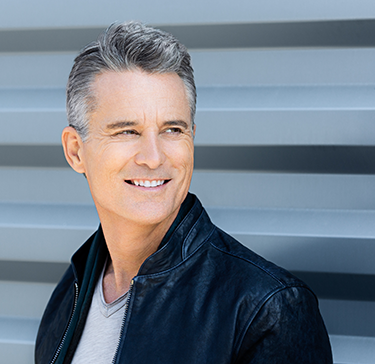
INTRODUCING SIMON
Inspiring and delivering actionable value to business leaders of all kinds.
Simon Mainwaring is founder/CEO of We First, an award-winning, strategic consultancy accelerating growth and impact for today’s top purpose-driven brands. He’s been a Real Leaders’ Top 50 Keynote Speaker in the World and his company, We First, was a Real Leaders’ Top 100 Impact Companies in the US for two years running, as well as a B Corp Best For the World Honoree. Simon has been a Featured Expert and Jury member for the Sustainable Development Goals at the Cannes Lions Festival. Simon’s first book, We First was a New York Times bestseller and named Best Marketing Book of the Year by strategy+business and his second book, Lead With We is a Wall Street Journal bestseller and awarded one of Forbes Top Ten Leadershihp Strategy Books of the Year. He hosts the Lead With We podcast and writes the influential Purpose At Work column in Forbes.


GLOBAL SPEAKER
A thought leader defining the future of business, branding, and leadership.
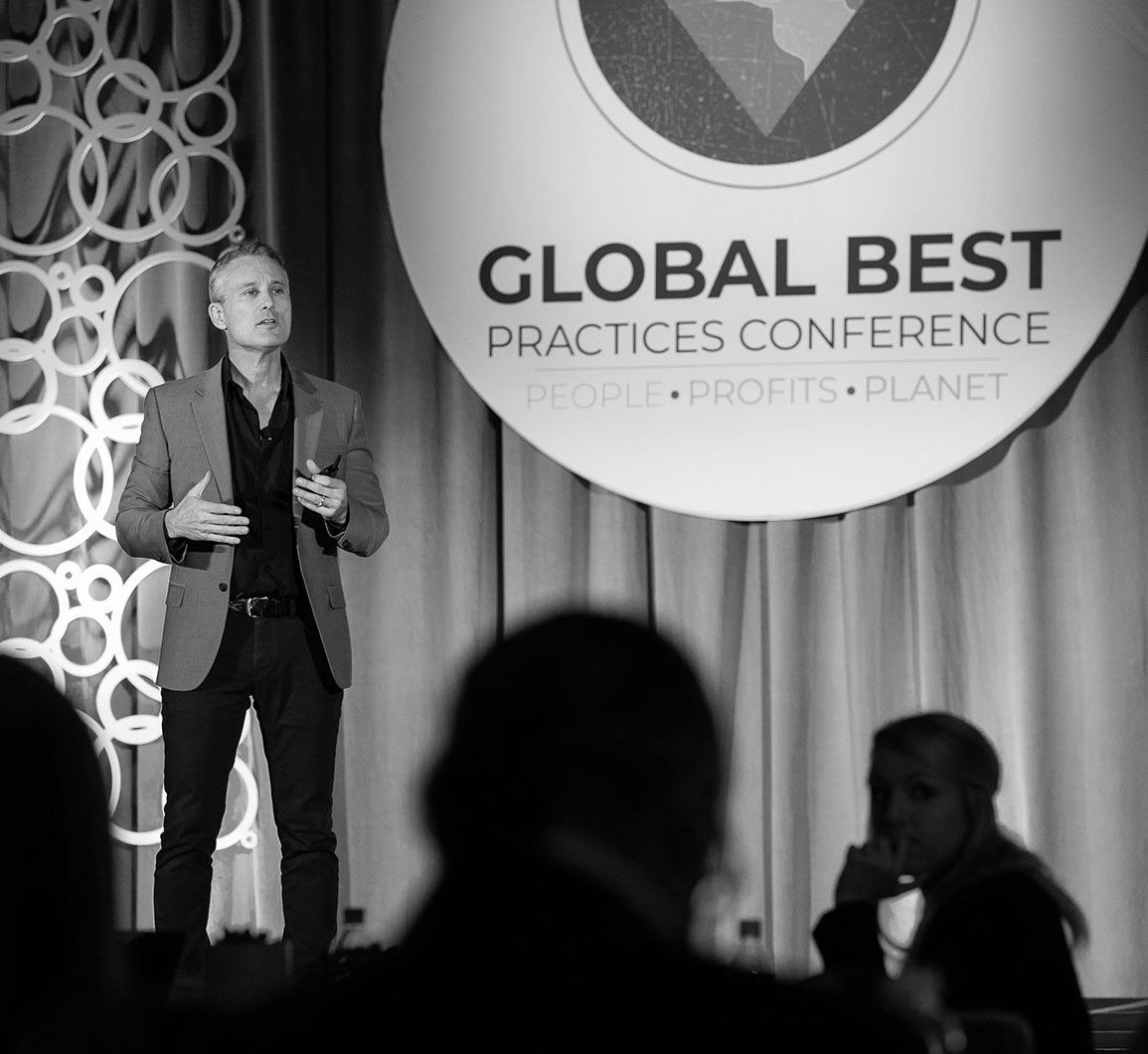
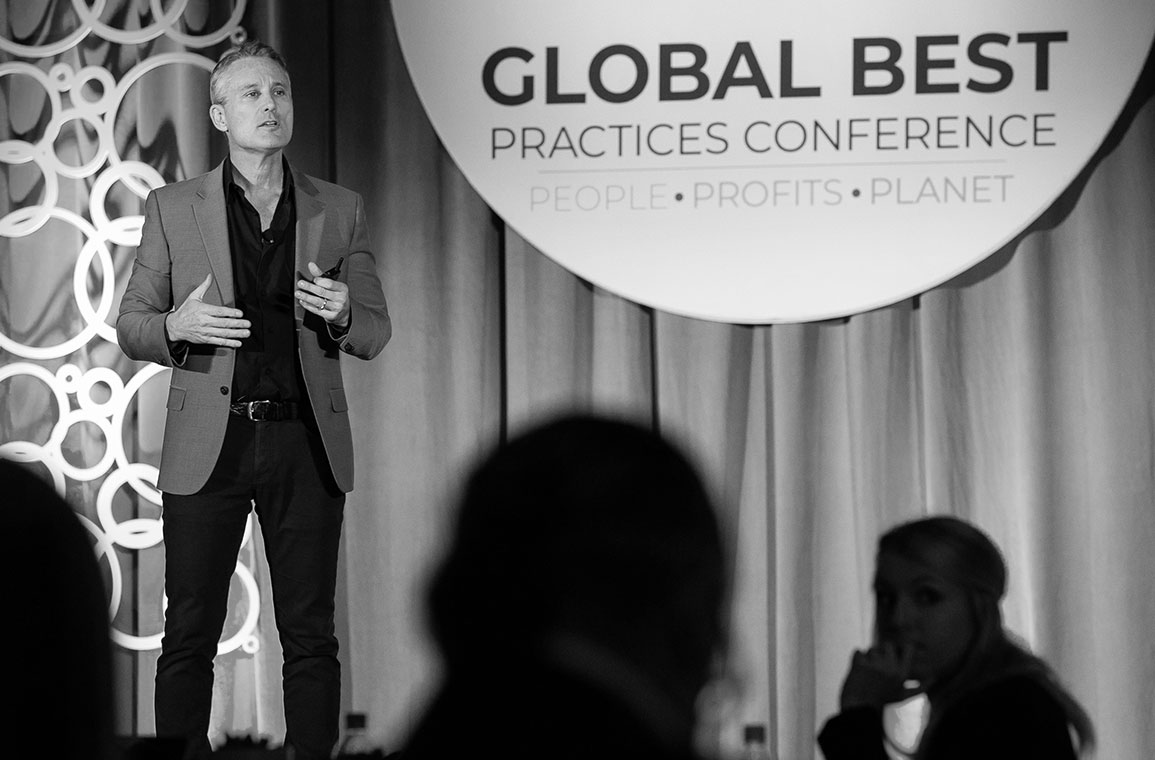
Simon is a sought-after international speaker whose presentations engage and inspire audiences to think and act in new ways that LEAD WITH WE around a collectivized purpose. He has been voted a Top 5 Marketing Speaker by speaking.com for 5 years in a row and featured on the cover of the National Speaker’s Magazine. From the Cannes Lions Festival to Google, from Necker Island with Sir Richard Branson to the United Nations Foundation, he delivers impactful keynotes with inspiration, and a roadmap for revolutionizing your business from the ground up by factoring all “shareholders” in our collective future into all your business decisions.
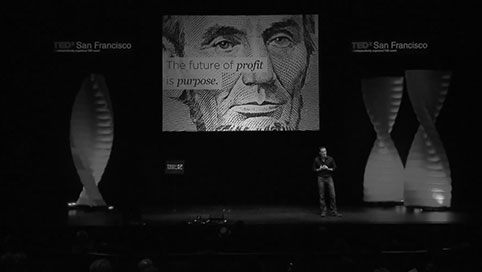
ted x san francisco: from me first to we first
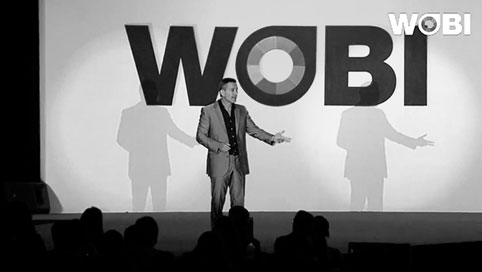
wobi keynote speech
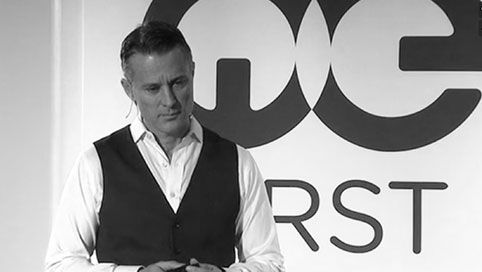
full question and answer session from the wefirst seminar
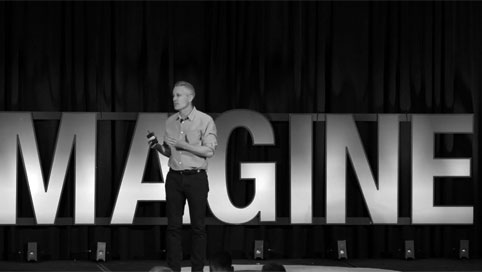
F2FEC
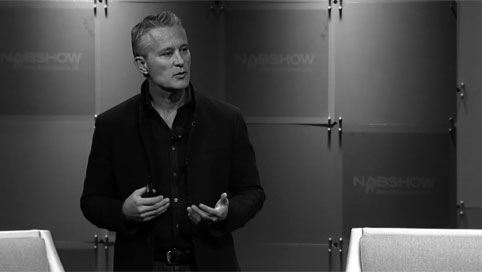
NAB
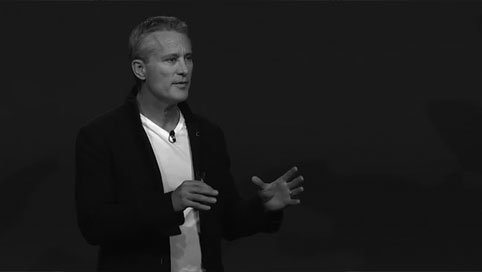
GLC Movement Making @ VF Corp
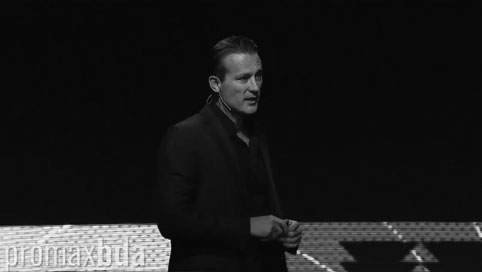
Promax
Better By Design NZ
Viacom – Leading the Future
Acquia Engage – Connect with the Consumer by Scaling Intimacy
Cannes
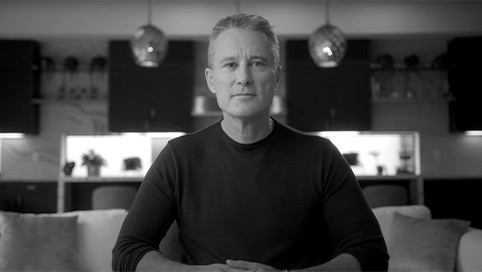
Cannes Expert TalkWATCH NOW
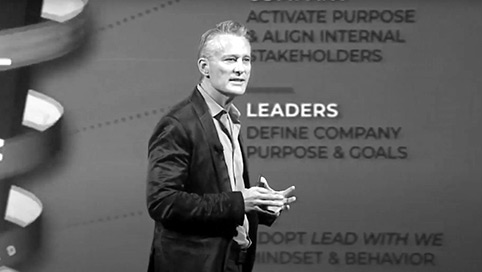
Sustainable Brands KeynoteWATCH NOW
wobi keynote speech WATCH NOW
full question and answer session from the wefirst seminar WATCH NOW
F2FEC WATCH NOW
NAB WATCH NOW
GLC Movement Making @ VF Corp WATCH NOW
Promax WATCH NOW
Better By Design NZ WATCH NOW
Viacom – Leading the Future WATCH NOW
Acquia Engage – Connect with the Consumer by Scaling Intimacy WATCH NOW
ted x san francisco:
from me first to we first WATCH NOW
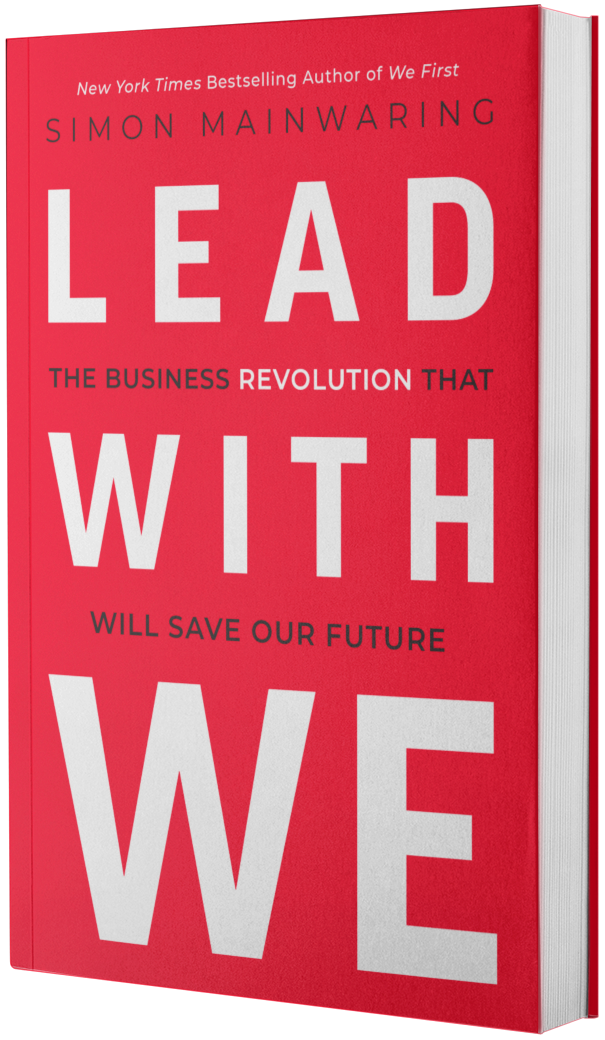
Lead With We is a radical reimagining and reengineering of business based on the idea of collectivized purpose, showing how we live, work, and grow together in new ways that restore and protect the social and living systems on which all of our futures depend.



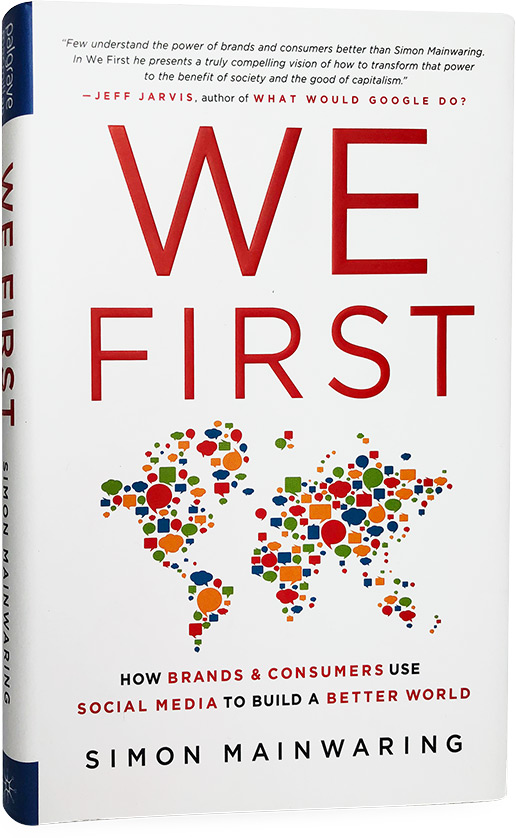
A NATIONAL BESTSELLER
We First lays out a transformative vision for the practice of business, branding and capitalism that puts purpose, people, and planet, first.


transform your brand
Brand Futurist
A prolific writer and thought leader, Simon has written hundreds of articles for magazines such as Forbes, the Guardian, and Fast Company. He and his company We First have won numerous national and global awards for visionary thinking about how brands can Lead With We, revealing in measurable and meaningful ways how We can work With each other to avoid imminent catastrophe, enable business to thrive, and deliver on the promise of humanity to co-create a regenerative and abundant future.
CLIENT PARTNERS
Brands that work with Simon
Simon works with the leadership teams of global enterprises, high-growth companies, and purposeful startups to ensure they lead business, shape culture, and better our world.
“Since 1984, REEF has been about having fun, celebrating surf and beach culture, and offering the best sandals in the world. We always knew we stood for something even bigger, had values that went beyond making product, and wanted to make a more meaningful impact on the world at large, but we found ourselves challenged to unpack our “why” and articulate a clear purpose. Simon and his team at We First lead us through a highly strategic, intense and immersive process that challenged us to dig deep, throw out any sacred cows, work together across all departments, identify a white space, and drive toward a brand purpose, position and story framework to unlock our true growth potential…We are beyond happy with the investment we made.”

Mike Matey
Vice President of Marketing
CLIENT PARTNERS
Brands that work with Simon
Simon works with the leadership teams of global enterprises, high growth companies and purposeful startups to ensure they lead business, shape culture and better our world.
“Having your product or service stand out in today’s complex and noisy marketplace is harder than it’s ever been. And few people understand how to do that effectively like Simon Mainwaring, who for more than 20 years was the architect of these strategies for the world’s most successful brands. For small companies to now be able to access Simon’s skill set and capacity for great vision as applied to their brands is truly a unique moment, and one shaped by Simon’s heart to have positive, lasting and meaningful impact on the world. Do not underestimate the value of this type of opportunity!”

Michael Jones
CEO & Founder
CLIENT PARTNERS
Brands that work with Simon
Simon works with the leadership teams of global enterprises, high growth companies and purposeful startups to ensure they lead business, shape culture and better our world.
“We First is that truly unique partner that is as passionate as we are about business as a force for good. Through an intense period of work and introspection where Simon served as interim CMO, their team helped us define the “why” behind what we do. This was critical to the business as we looked to expand our brand and the ‘One for One’ model on the global stage. Their strategic and creative muscle helped us get to an exciting new place for TOMS so it could deliver on its mission of improving lives.”

Blake Mycoskie
Founder & Chief Giving Officer
CLIENT PARTNERS
Brands that work with Simon
Simon works with the leadership teams of global enterprises, high growth companies and purposeful startups to ensure they lead business, shape culture and better our world.
“Over the course of a several week sprint the We First team created a process where they lead our leadership team to critical powerful brand and communication solutions. It was a collaborative process where we were part of the solution, not just a client being presented to. They pulled answers out of us that we didn’t even know we had and they challenged us and helped us rise to the occasion all along providing us with expert leadership. Not only did they help us distill down our brand messages in this short sprint, they actually applied their strategy to actionable work and provided invaluable assistance – the type of service that most firms would not and could not deliver on.”

Joey Caroni
Head of Creative & Digital
CLIENT PARTNERS
Brands that work with Simon
Simon works with the leadership teams of global enterprises, high growth companies, and purposeful startups to ensure they lead business, shape culture, and better our world.
“Simon is a rare creative, thought leader. He is cutting-edge in his approach and thinking on how corporations can help solve some of society’s stickiest and most challenging problems. He understands deeply how brands can create change and inspire positive societal impact. Simon is humble yet confident in his experience; he is a thought partner and confident to those with whom he consults; his professional yet laid-back and empathetic approach is reassuring and calming during often stressful times and his ability to predict trends and help companies take advantage of them makes Simon a rare individual…I have worked with many world class consultants and agencies, Simon is by far one of the best, it is a privilege to work with him.”

Letitia Webster
Former Global Vice President